Mirimiri & Romimiri
Mirimiri and Romimiri - Ancient Māori Healing Practices
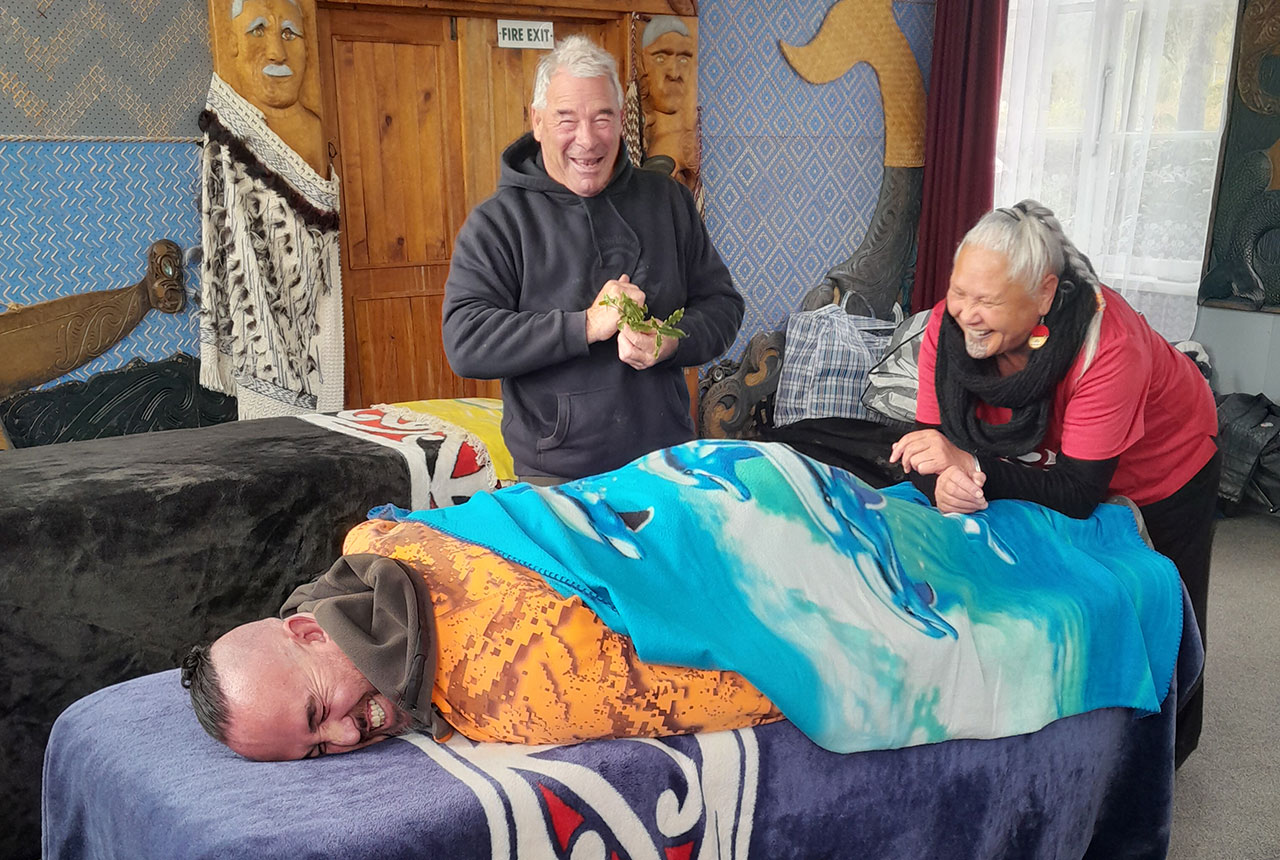
Mirimiri and Romimiri are both ancient Māori healing practices that address the physical, mental, and spiritual aspects of well being. These practices are holistic and rooted in Māori traditions, often used to restore mauri (life force) and wairua (spirit).
Mirimiri is primarily the energetic or spiritual healing component, while Romimiri is the physical manipulation to address blockages.
Romimiri is the deeper, hands-on part, which can involve using hands, arms, elbows, stones, or sticks to stimulate pressure points and shift deep-seated physical and energetic trauma.
Mirimiri often precedes Romimiri and includes spiritual elements like karakia (prayer), waiata (songs), and korero (counseling) to clear energetic blocks before physical work begins.
Mirimiri
Rooted in the Māori understanding of mauri (life force) and wairua (spirit), Mirimiri operates beyond the visible body, working with subtle energy fields to restore harmony. It is a sacred practice passed down through generations, often performed in quiet, intentional spaces where the healer connects deeply with the recipient’s inner state.
This form of healing recognises that emotional wounds and spiritual disconnection can manifest as physical discomfort, requiring gentle, non-invasive methods to realign the whole person.
- What it is: The energetic and spiritual aspect of the healing practice.
- What it involves: Energetic and vibrational stimulation, breathwork, spiritual connection, and verbal/oral elements.
- Key practices: Includes activities like chanting, spiritual counseling (korero), singing (waiata), and prayer (karakia).
Romimiri
Romimiri embodies the tangible, grounded side of Māori bodywork, focusing on the structural and muscular systems to release long-held tension and trauma. It is often described as “listening with the hands,” where the practitioner senses areas of resistance or stagnation and applies precise pressure to encourage flow.
This deep physical engagement supports the body’s natural ability to heal itself, especially after emotional or energetic barriers have been cleared.
- What it is: The physical aspect of the healing practice.
- What it involves: Deep tissue work, stimulating acupressure and acupuncture points (haemata and haematau).
- Key tools: Uses hands, arms, elbows, stones (kohatu), or sticks (rakau).
- Purpose: To realign the physical body and release aches, pains, and trauma.